Carbon Networks presents
The History of IT
From clay tablets to AI
IT isn’t just servers, Microsoft 365 and security. It’s the art of organizing information so people can find it, use it and keep it safe. Humans have been doing it for 5,000 years.
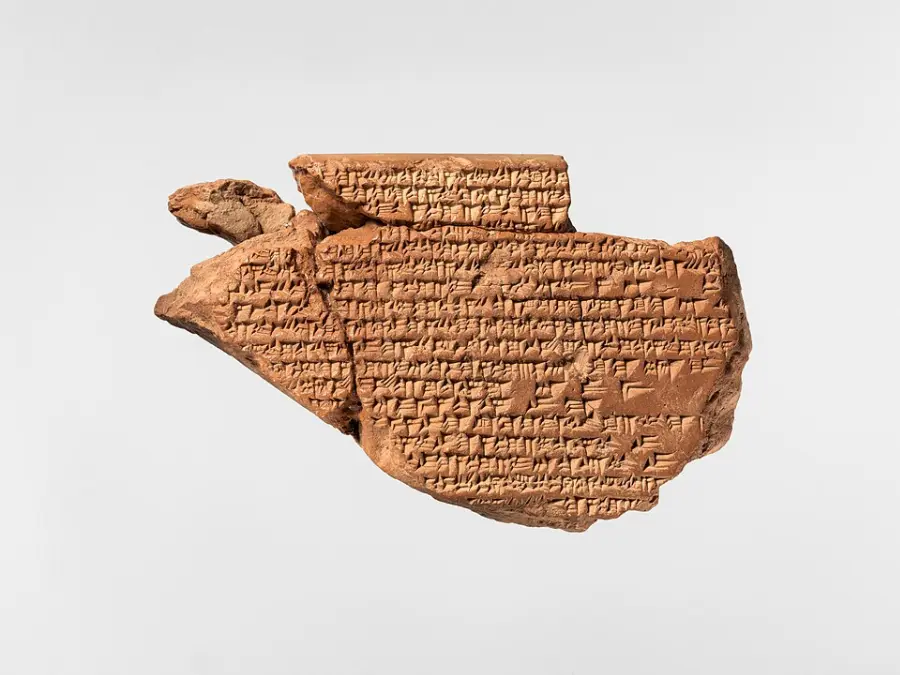
The first hard drive was made of mud.
In ancient Mesopotamia, people pressed marks into wet clay to keep track of grain, trade and taxes. Some of these tablets have lasted 5,000 years.
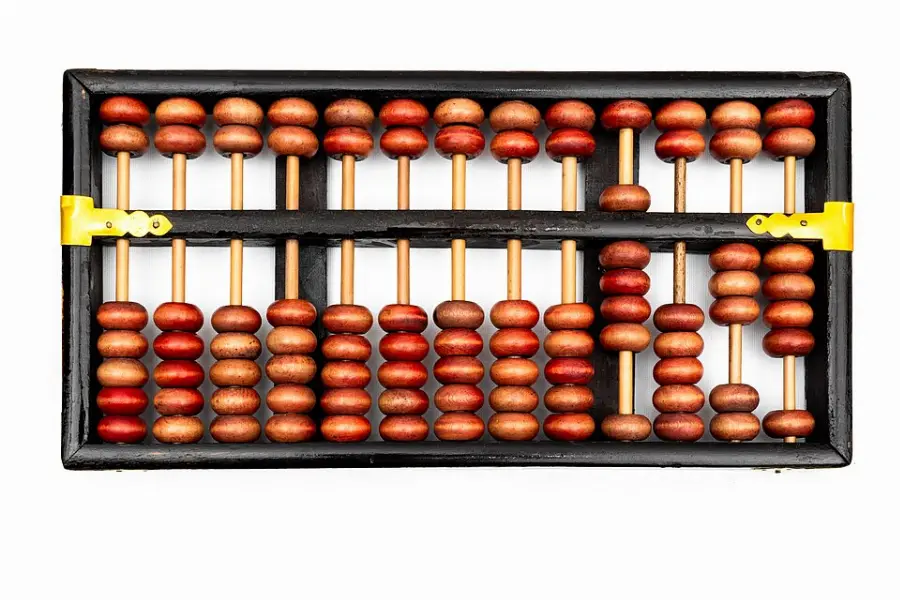
The first calculator had beads.
For thousands of years, merchants did their math by sliding beads on an abacus. Fast, reliable, and no batteries required.
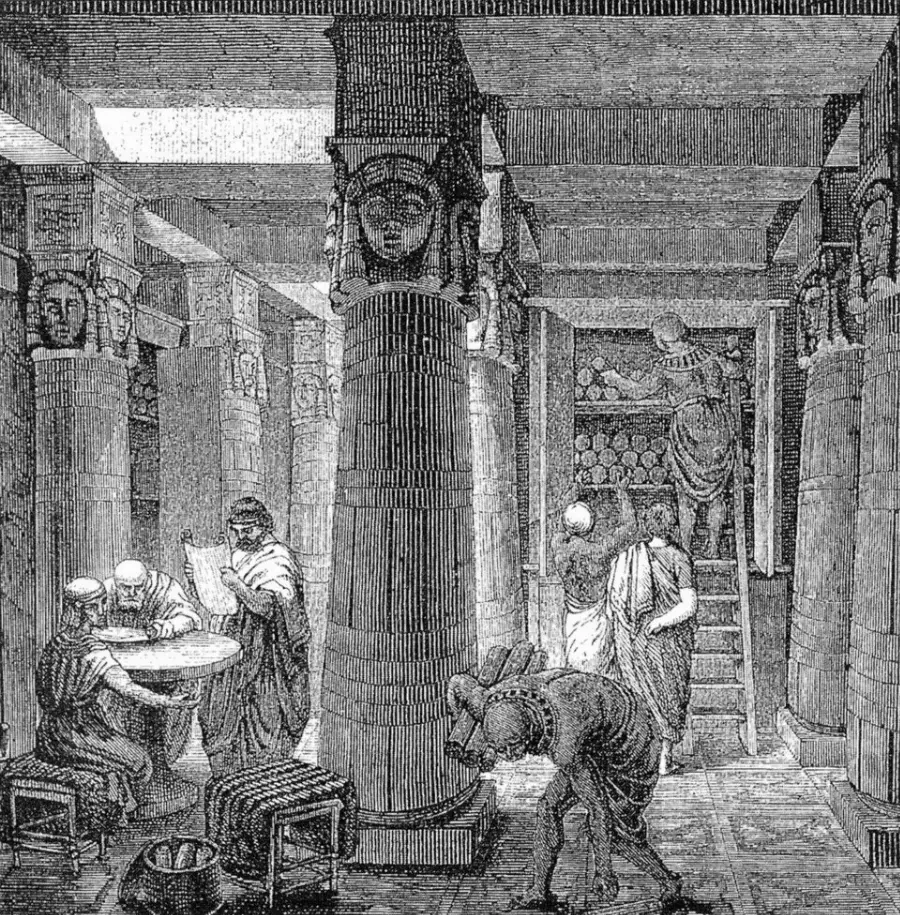
The first way to look things up.
The Library of Alexandria sorted its scrolls by subject, so anyone could find what they needed. That is still the whole idea behind IT: organize it so people can find it.
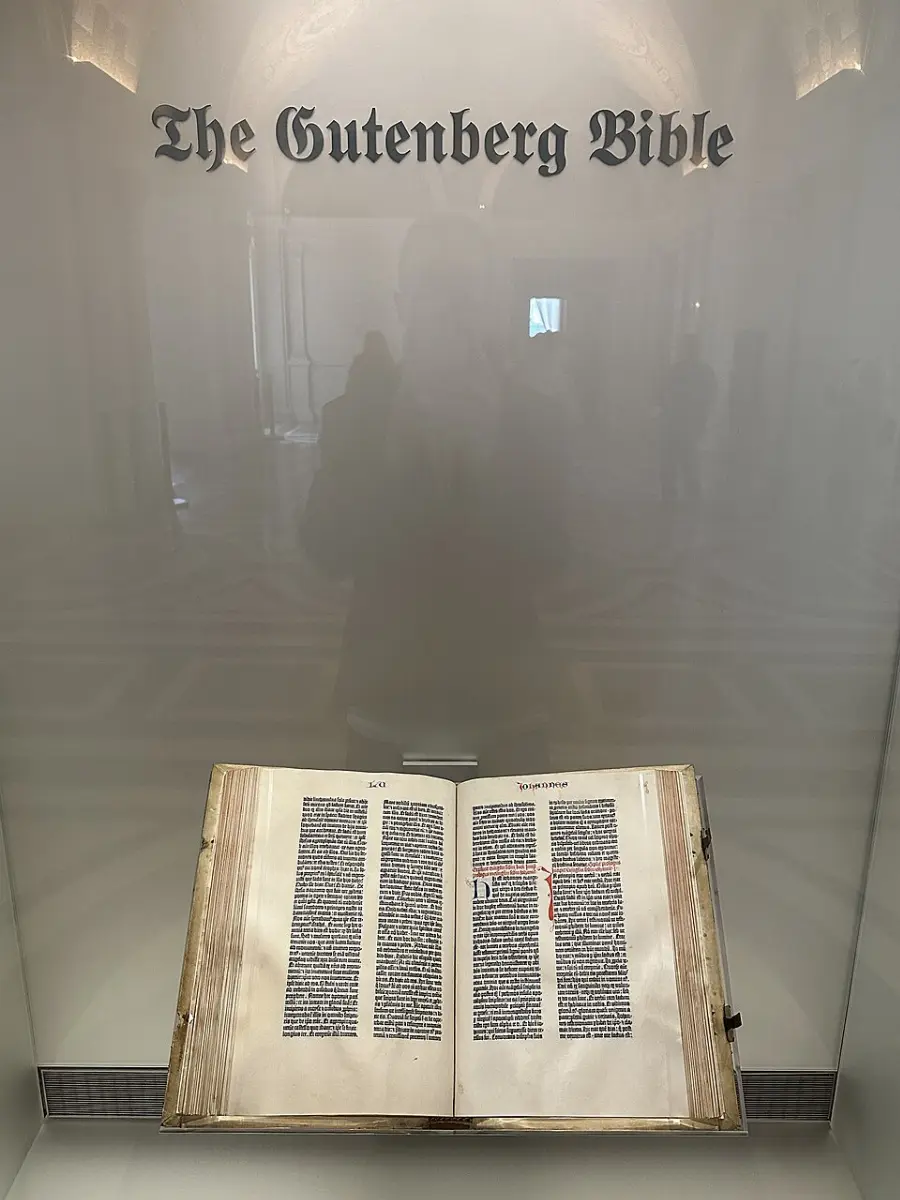
Copy and paste, 1450 style.
Before the printing press, every book was copied by hand. Gutenberg’s press made copies fast and cheap, and information spread like never before.
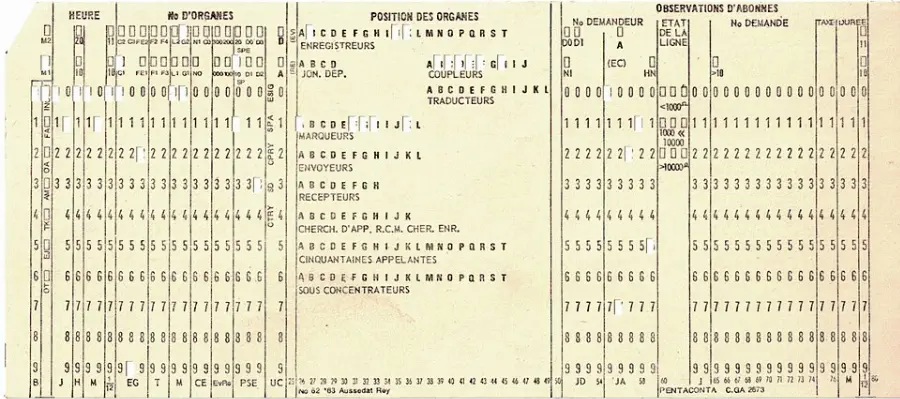
Your name, on a punch card.
For almost 100 years, computers read information from cards with holes in them. Each card held about 80 letters. Type your name and watch it get punched.
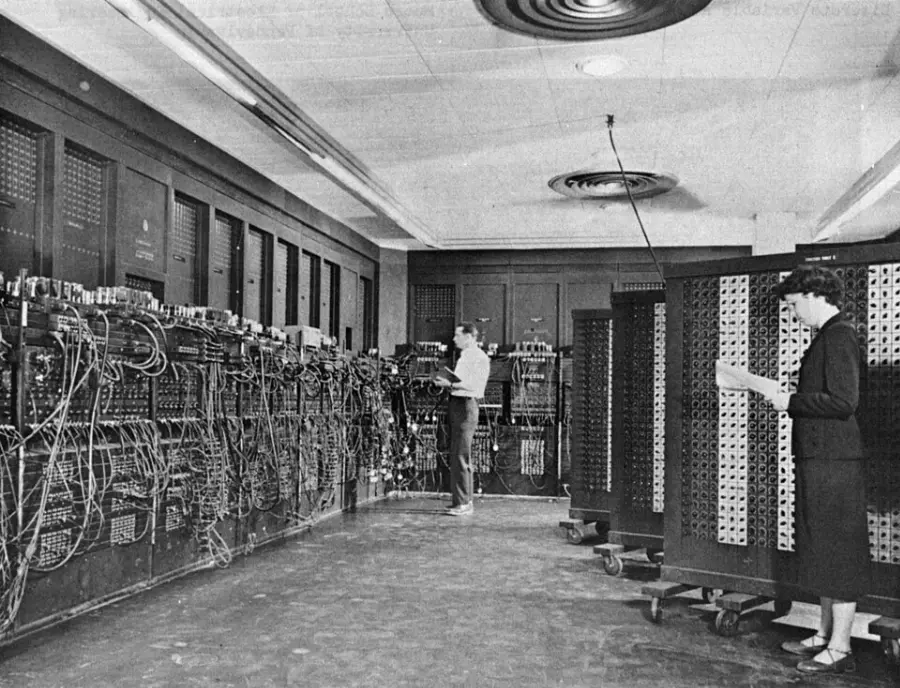
Computers used to fill a whole room.
ENIAC was one of the first electronic computers. It weighed about 27 tonnes and filled a room. Today you carry far more power in your pocket.
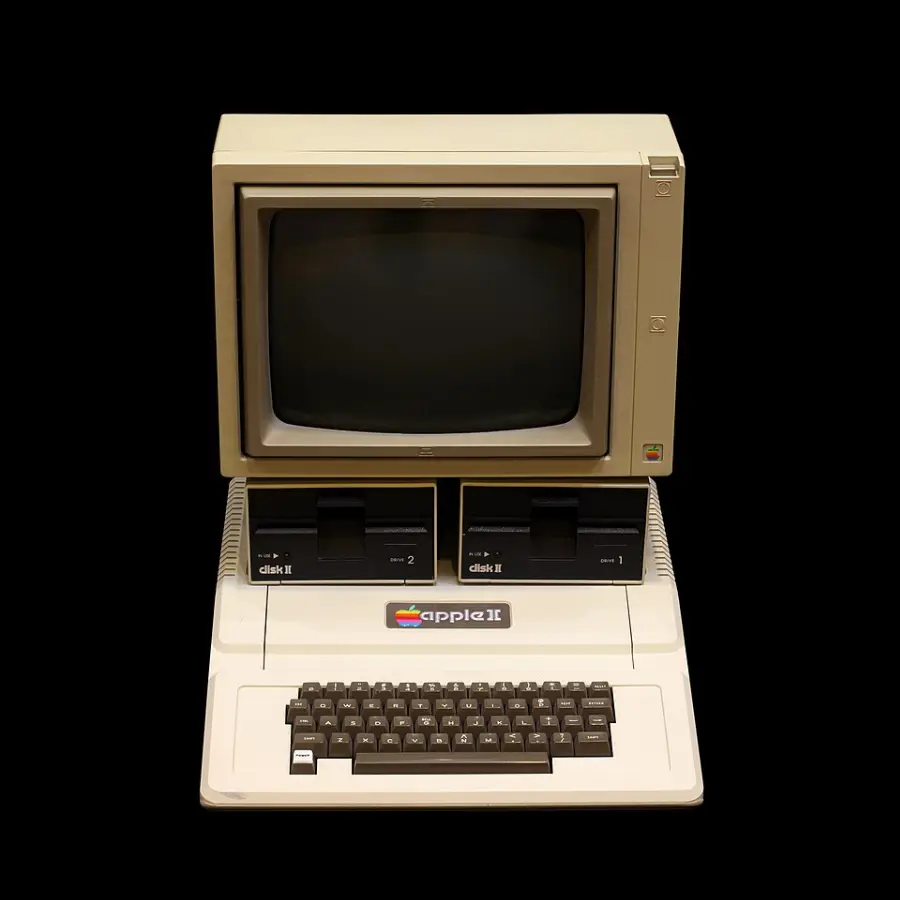
Computers came home.
Home computers put a computer on the kitchen table. Green text, a blinking cursor and endless possibilities.
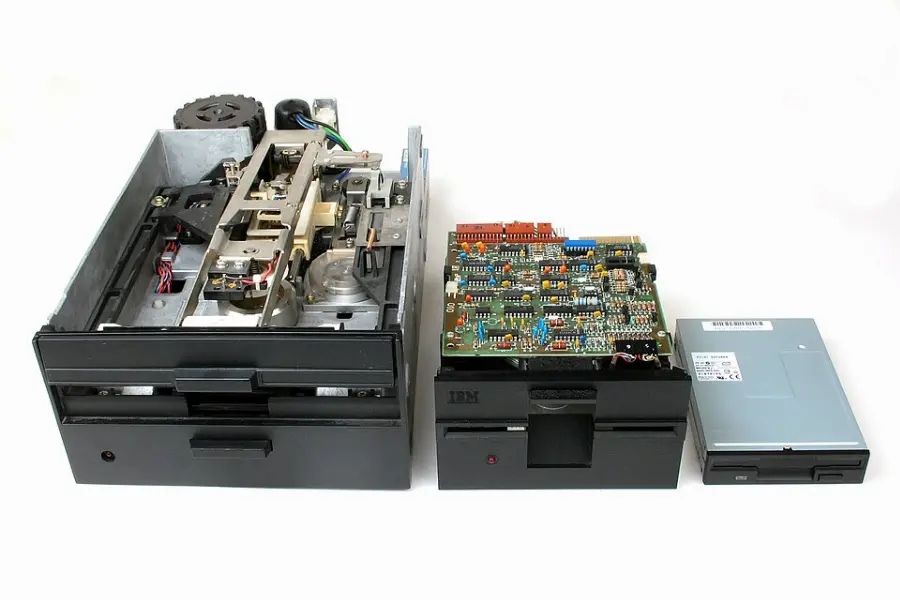
Saving meant floppy disks.
A floppy disk held 1.44 MB. That is about one photo from today’s phone. So how many would you need?
Then came shiny discs.
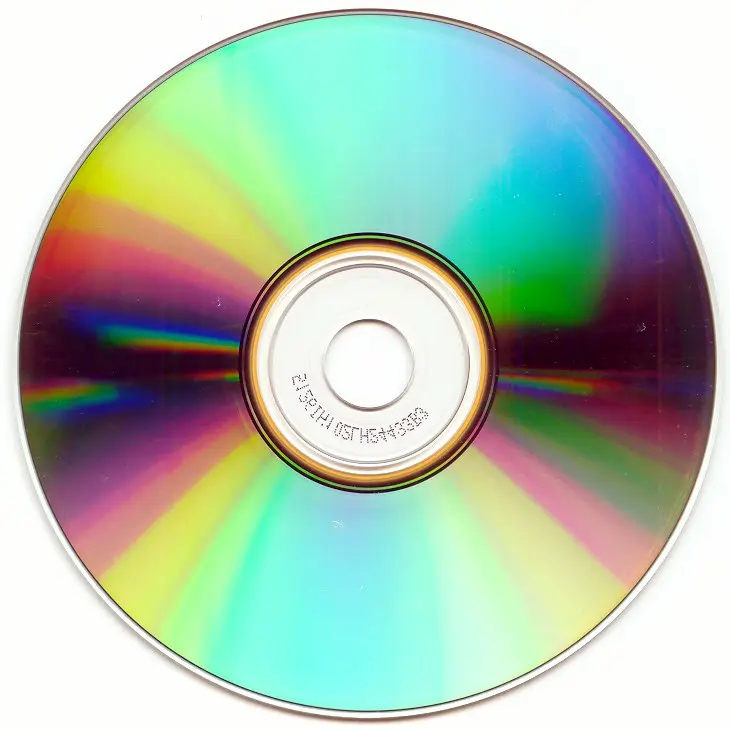
CDs and DVDs held hundreds of times more than a floppy. Music, software, games and backups all came on a disc.
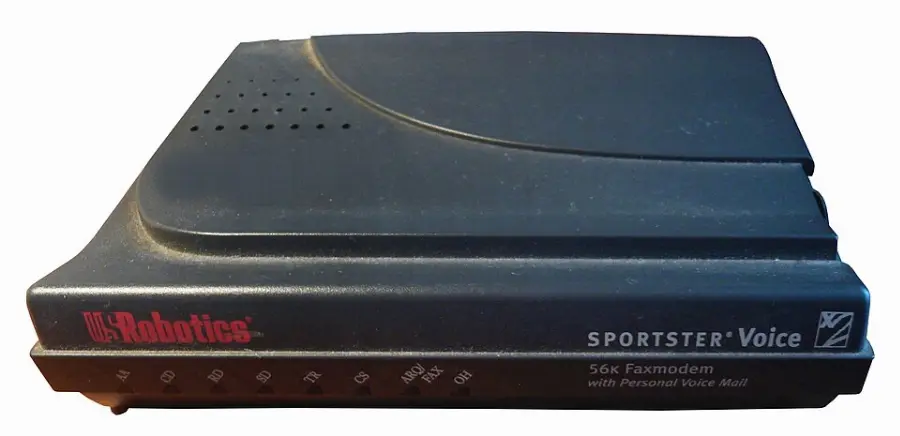
Getting online sounded like this.
To get on the internet, your computer dialed a phone number and screeched at another computer. Turn your sound on and press connect.
Your whole desk drawer, on a keychain.
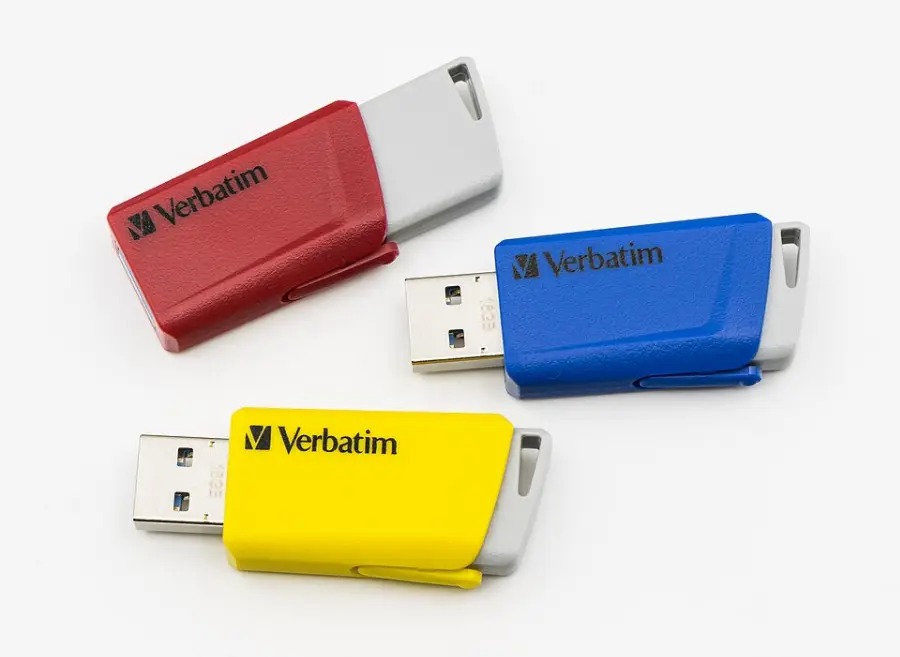
USB flash drives made carrying files easy. Plug it in, drag your files over, done.
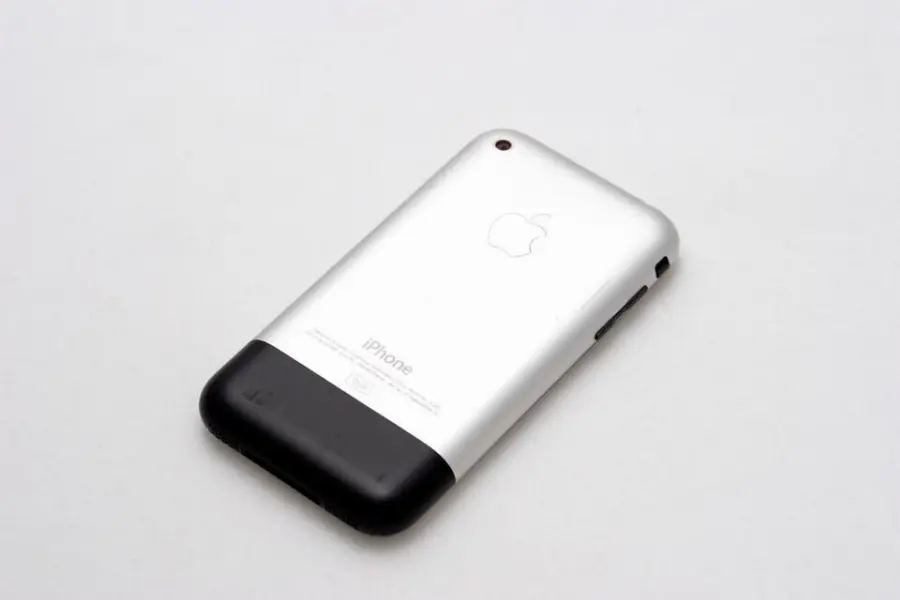
The office moved into your pocket.
Smartphones put email, the web, maps and your calendar in your hand. Work stopped staying at the desk.
Then your files moved to the cloud.
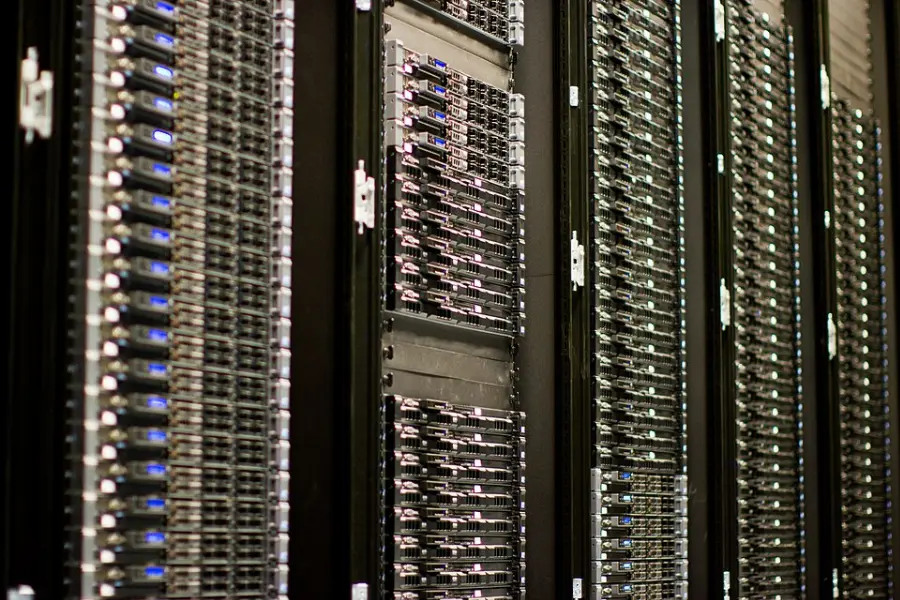
Instead of living on one computer, your files live safely in data centres and follow you everywhere.
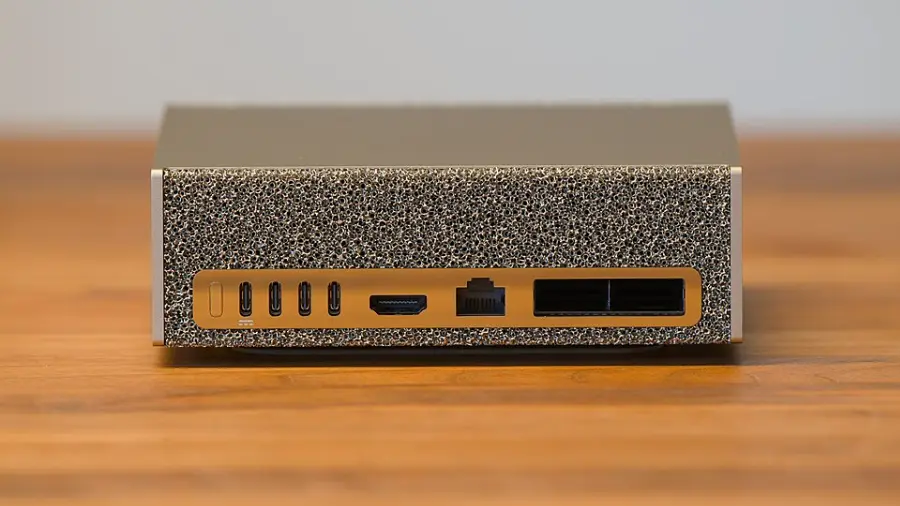
Now computers understand information.
AI can read, write, summarize and answer questions. It is the biggest change since the computer itself, and keeping it safe matters more than ever.
IT isn’t about computers. It’s about information.
From clay to the cloud, the job has always been the same: capture information, organize it, find it, protect it and share it. That’s the philosophy we bring to every business we look after.
Photo credits
- Cuneiform tablet- commentary on Enuma Anu Enlil, tablet 5 MET DP-442-002: The Metropolitan Museum of Art, CC0, via Wikimedia Commons
- Chinese Suanpan Abacus: Felix Winkelnkemper, CC BY-SA 4.0, via Wikimedia Commons
- Ancientlibraryalex: O. Von Corven, Public domain, via Wikimedia Commons
- Gutenberg Bible – Library of Congress: APK, CC BY 4.0, via Wikimedia Commons
- 80-column punched card edited by sub-assemblies of a Pentaconta electromechanical telephone exchange: Fil22plm, CC0, via Wikimedia Commons
- Eniac: U.S. Army, Public domain, via Wikimedia Commons
- Apple II at Musée Bolo: Rama & Musée Bolo, CC BY-SA 2.0 fr, via Wikimedia Commons
- Floppy Disk Drives 8 5 3: Swtpc6800 en:User:Swtpc6800 Michael Holley, Public domain, via Wikimedia Commons
- CD autolev crop: Ubern00b, CC BY-SA 3.0, via Wikimedia Commons
- US Robotics 56K Sportster Voice telephone modem, front (removed background, horizontal, perspective): Wikimedia Commons contributor, CC BY 3.0, via Wikimedia Commons
- 2023 Pendrive’y Verbatim Store ‘n’ Click 16 GB (1): Jacek Halicki, CC BY-SA 4.0, via Wikimedia Commons
- IPhone First Generation 8GB (3680480234): Carl Berkeley from Riverside California, CC BY-SA 2.0, via Wikimedia Commons
- Wikimedia Foundation Servers-8055 35: Victor Grigas, CC BY-SA 3.0, via Wikimedia Commons
- Nvidia DGX Spark rear ports dllu: Daniel Lu (User:dllu), CC BY-SA 4.0, via Wikimedia Commons